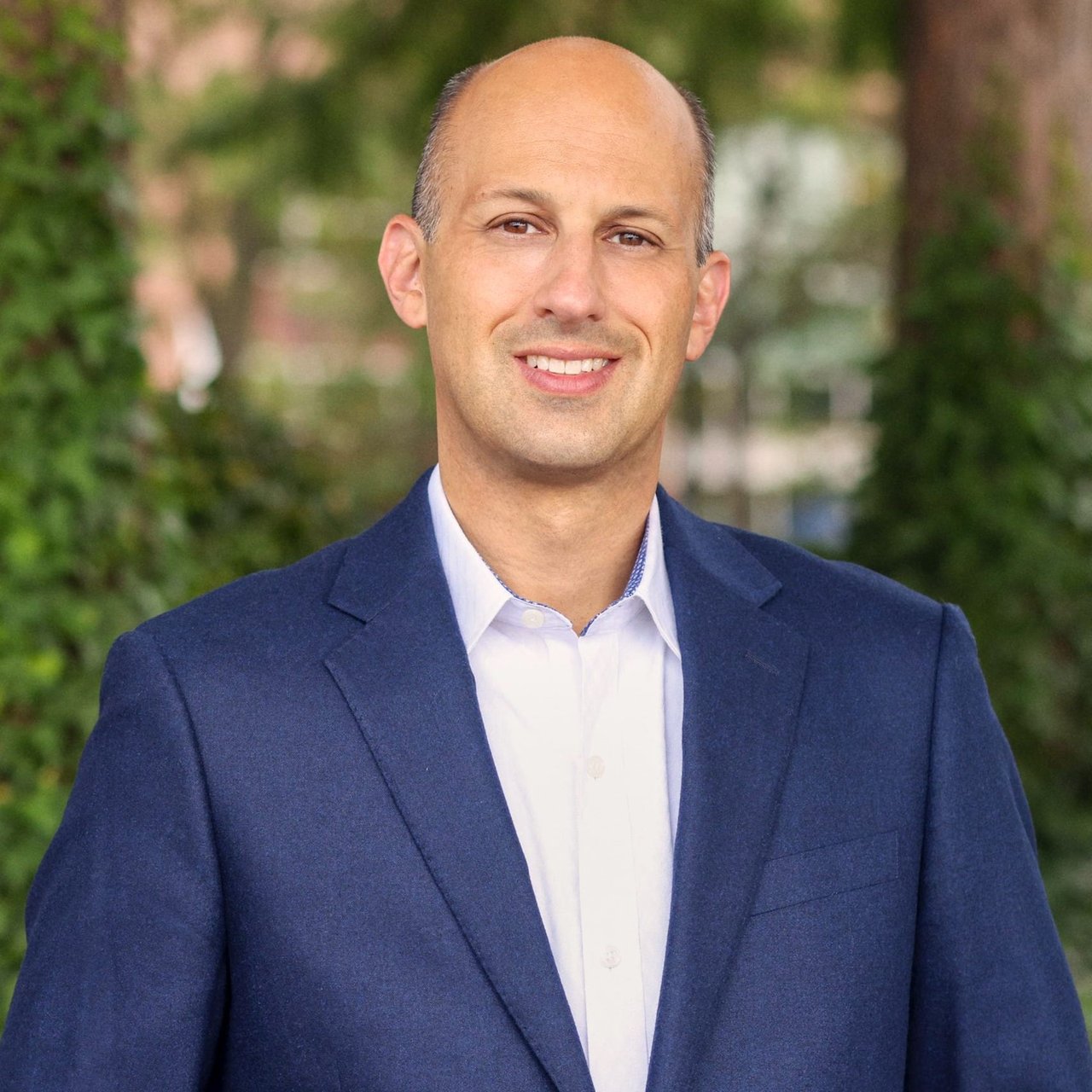
Andrew Botticelli
-
Primary phone
(908) 433-7999 -
Website
http://compass.com/agents/andrew-botticelli/ -
License Number
#0121065 -
Email
[email protected] -
Address
258 Newark St., 4th Floor,
Hoboken, NJ 07030
About the Author
Andrew Botticelli is truly dedicated to providing exceptional, professional, and comprehensive real estate services to his valued clients. Highly skilled in the Acquisition, Marketing and Leasing of Residential, Luxury, Condominium, Multi-Family Residential and Commercial Properties together with Developer Services; he is intimately connected, knows the trends, and truly enjoys sharing his insights into the distinctive communities within the Hoboken, Hoboken County and NYC Metro real estate market. As principal of The Andrew Botticelli Team at Compass; Andrew indulges his clients with impeccable, first-class service, genuine care, dedication, and true advocacy, and excels at creating an exceptional real estate experience.
Andrew elevates the real estate experience by offering his clients a smart, solution-oriented, consultative approach. In personally working with each client and upon understanding their specific priorities, he diligently aligns and applies himself in order to accomplish their real estate goals. When working with sellers, he executes on a dynamic marketing plan that effectively presents their property to the marketplace. Utilizing professionally produced photography imagery together with refined staging services and a presentation in print and on numerous websites; he designs an impactful presentation that skillfully heightens each listing’s visibility.
When working with buyers, he carefully takes the time and attention to evaluate and prioritize his client’s goals so that he may skillfully find a residence and distinguished setting that they will truly love. Through his representation of numerous landlords and residential buildings and opportunities available in the city, he offers a commanding perspective and unparallel insights about building amenities, floor layouts and services provided, together with the latest info into the surrounding neighborhood’s exciting features.
For Andrew it is an honor that his client’s value and trust in his expertise and professionalism to represent them. His trusted counsel, accurate assessment and meticulous approach extends to every aspect of his service throughout the transaction. He is very thorough in providing constant communication and is always extremely attentive, accessible and responds promptly to his clients. When met with a tough challenge, he is highly skilled in negotiating the critical, contractual components of the transaction and is masterful at finding creative and equitable solutions. Delivering responsive, confident results with a strategic, impactful approach are all part Andrew’s distinguished style in always accomplishing truly elevated achievements for his clients.
Contact Andrew to serve you and your personal real estate interests.
Contact Andrew to serve you and your personal real estate interests.
